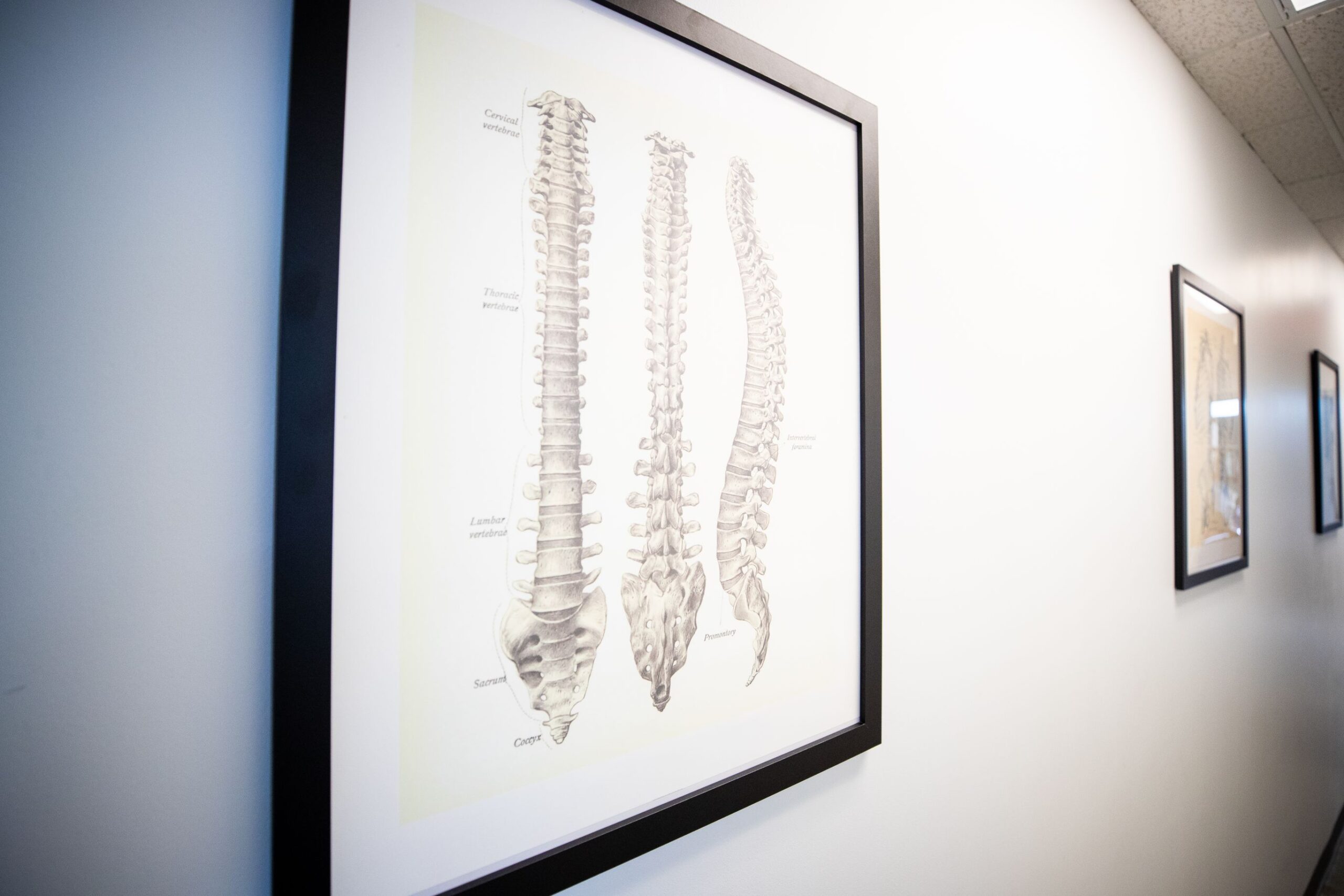
Launching a digitalmarketing company that serves physicians means choosing a starting point that’s both meaningful and strategic. I chose pain management because it sits at the crossroads of many specialties I trained in—neurology, bariatric medicine and medsurg—and because marketing compassionate, evidencebased pain care can genuinely help people. Below are the key reasons why pain management became our cornerstone.
1. Pain Touches Every Specialty I’ve Worked In
During my neurology, medsurg and bariatric rotations, one truth always emerged: pain is universal and can derail recovery. The United States has a huge burden of chronic pain—11.2 % of adults (≈25.3 million people) report daily chronic pain and some estimates suggest it may affect up to 100 million adults (ncbi.nlm.nih.gov). In surgery, controlling acute pain prevents complications and shortens hospital stays; in neurology we work with nerve mediated pain like neuropathy or radiculopathy; in bariatric surgery we treat pain related to obesity and postoperative healing. Because pain is a thread that runs through these diverse disciplines, focusing on it allows us to combine our clinical background with content creation to educate patients and showcase physicians’ expertise.
2. Highlighting How Different Specialists Treat The Same Pain
One of the most fascinating aspects of pain management is how differently a neurologist, an interventional pain specialist and a surgeon approach the same symptom.
- Training and focus. Pain management physicians are usually boardcertified in anesthesiology, physical medicine & rehabilitation or neurology and receive fellowship training in interventional pain medicine (hss.edu). They create comprehensive, nonsurgical care plans—combining physical therapy, lifestyle modifications, and injections like nerve blocks (osmc.com).
- Pain medicine doctors (sometimes called interventionalists) often take a more medical approach, using medications, nerve blocks and minimally invasive procedures to address pain generators (osmc.com).
- Neurologists bring deep knowledge of the nervous system; they use advanced imaging, electrodiagnostic tests and neuromodulation (e.g., spinalcord stimulation) to target nerverelated pain (ipscpgh.com). Their ability to pinpoint the source of neuropathic pain distinguishes them from generalists.
- Surgeons step in when structural problems require operative repair. Pain specialists often treat spine, joint or nerve pain nonsurgically and will refer to surgeons if conservative methods fail (360-orthopedics.com).
Marketing content that compares these approaches helps patients understand their options and underscores the collaborative nature of pain care.
3. Enhancing Patient Satisfaction by Educating Without Overwhelming
A major barrier to seeking pain care is information overload or, conversely, lack of clear guidance. Evidence shows that chronic pain can drastically reduce quality of life and that patientcentred care—including shared decisionmaking—improves outcomes (psychiatry.org).
Our goal in digital marketing is to bridge the gap between complex pain science and lay understanding. We craft content that explains procedures (e.g., epidural steroid injections, spinalcord stimulation) using plain language and visuals, highlights benefits and risks, and reassures patients that pain specialists prescribe opioids conservatively (hss.edu). By positioning physicians as compassionate partners who listen to patients’ goals, we help build trust and encourage early intervention.
Many doctors aspire to diversify into writing and authorship, and LinkedIn can be a powerful place to build authority. Here’s a free content cheat sheet from Allegiant Medicine & Marketing—a resource that previously earned 150+ engagements with
under 3,000 followers and no premium. Sharing it now in hopes it helps more physicians step into their voice. “I am a Physician what should I post” EMDM original Infographics.
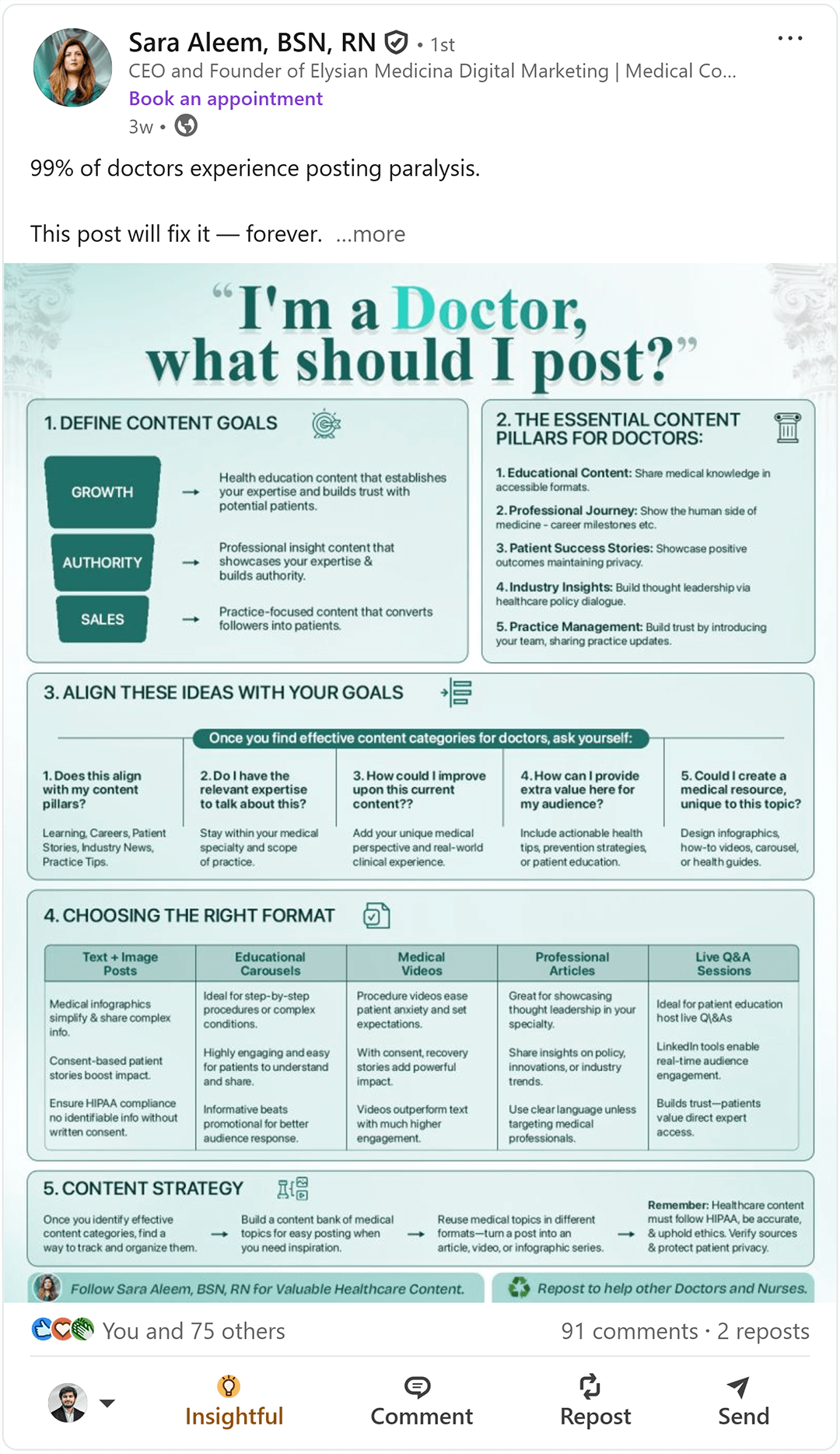
Many doctors aspire to diversify into writing and authorship, and LinkedIn can be a powerful place to build authority. Here’s a free content cheat sheet from Allegiant Medicine & Marketing—a resource that previously earned 150+ engagements with under 3,000 followers and no premium. Sharing it now in hopes it helps more physicians step into their voice. “I am a Physician what should I post” EMDM original Infographics
4. Embracing a Multimodal, Patient centered Approach
Pain management is not synonymous with prescribing opioids. National Academies experts note that the term “pain management” should encompass pharmacologic and nonpharmacologic treatments and that integrating multiple modalities—cognitive behavioural therapy, rehabilitation, medications and interventional procedures—across disciplines yields the best outcomes (ncbi.nlm.nih.gov). Leading hospitals such as HSS echo this; their pain management teams coordinate physical
therapy, psychological therapy and rehabilitation, and use interventional techniques like epidural steroid injections, radiofrequency ablation and nerve blocks (hss.edu).
When developing marketing campaigns, we highlight how providers tailor multimodal plans to each patient rather than relying on a single medication. This helps counter misconceptions and aligns with our ethical obligation to promote safe pain care.
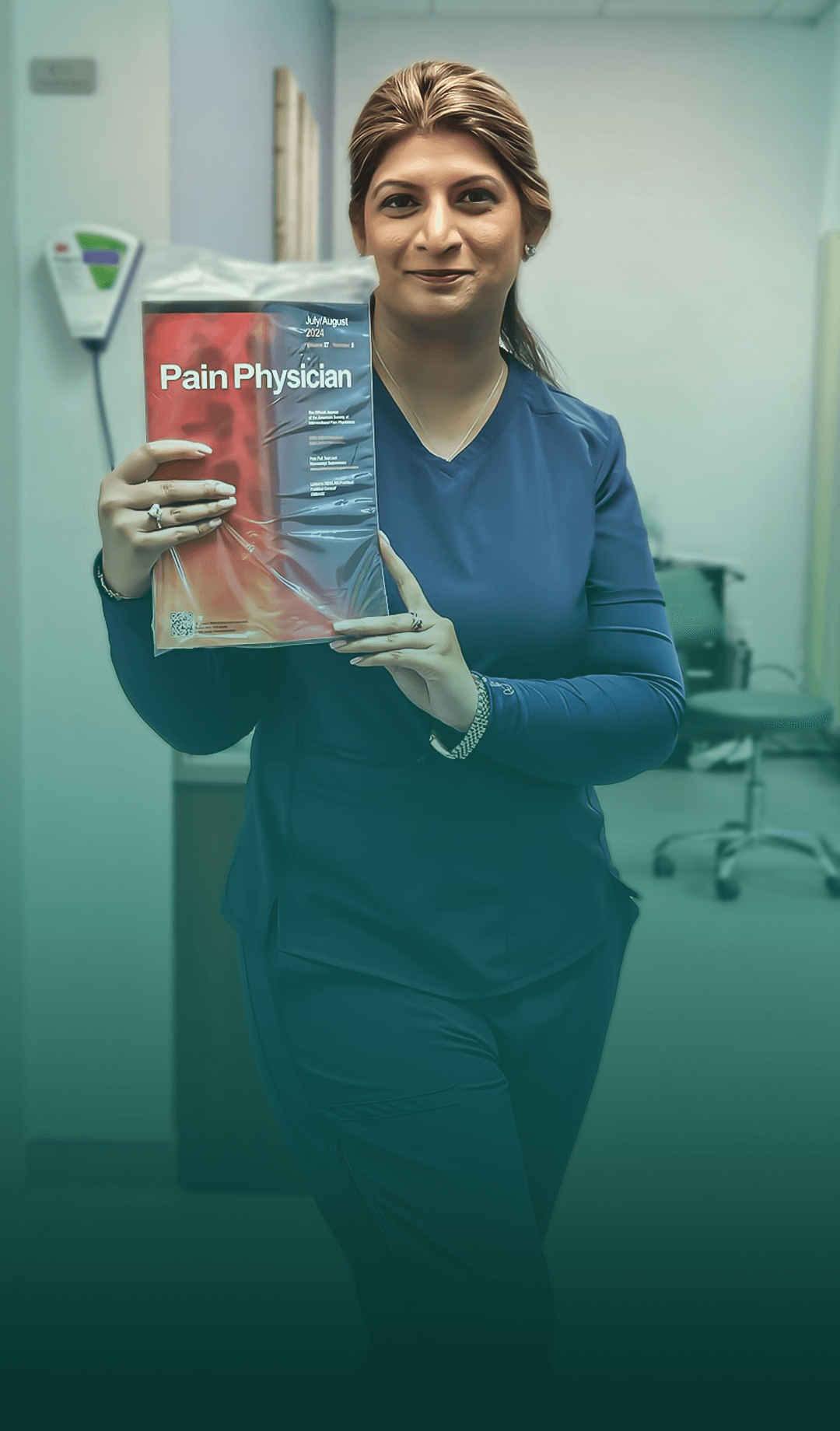
"Content creation is not copy-paste—it’s responsibility. Here I am, diving into the same
research and literature top pain specialists read, so I can bring fresh insights, evidence-
based strategies, and true value to my clients. At Elysian Medicina, we don’t recycle
trends—we create content that speaks to patients and elevates practices.”
Reviewing top-notch U.S. pain management and anesthesiology literature to craft
strategies that match the standards of leading specialists.
5. Showcasing Alternative and Complementary Therapies
Our company also wanted to spotlight nonpharmacologic strategies that many physicians and patients overlook. A 2023 metaanalysis of randomized controlled trials found that nonpharmacologic therapies—music therapy, aromatherapy, relaxation, foot reflexology and massage—significantly reduced pain in people with acute and chronic pain (gavinpublishers.com). A systematic review of aromatherapy reported that essential oils (especially lavender, eucalyptus and peppermint) significantly reduce pain scores, particularly for postoperative and acute nociceptive pain (pmc.ncbi.nlm.nih.gov). Including these modalities in content creation not only educates patients about evidencebased options but also demonstrates that pain specialists care about holistic wellbeing.
6. Addressing the Mental health Dimension of Pain
Chronic pain rarely exists in isolation; it is closely linked to anxiety, depression and substanceuse disorders. Harvard clinicians observe that depression and anxiety amplify pain, and about 65 % of patients seeking care for depression report at least one type of pain (health.harvard.edu). Neuroimaging shows that brain regions processing pain overlap with those regulating emotions (health.harvard.edu). The American Psychiatric Association points out that 35–45 % of people with chronic pain experience depression and that mentalhealth problems can both contribute to and be exacerbated by pain (psychiatry.org). Marketing campaigns must therefore reflect empathy for emotional suffering, destigmatize mentalhealth care and encourage collaboration between pain specialists and psychologists. Including resources on cognitivebehavioural therapy, relaxation techniques and exercise—therapies that benefit both pain and mood (health.harvard.edu)—helps patients feel supported instead of overwhelmed.
7. Expanding the Scope of Practice and Research
Pain management overlaps with numerous specialties orthopedics, anesthesiology, neurology, psychiatry, rehabilitation and even obstetrics—creating broad opportunities for collaboration. Pain Treatment Centers of America notes that pain management specialists often have backgrounds in anesthesiology, neurology, physical medicine or rehabilitation and develop comprehensive plans addressing not just symptoms but underlying causes (ptcoa.com). Their specialized knowledge and access to advanced procedures such as radiofrequency ablation, spinal injections and implantable devices (ptcoa.com) mean there is always new research and technology to highlight. For a digital marketing company, this diversity translates into rich content—from explainer videos on nerve blocks to blogs about emerging neuromodulation devices or regenerative therapies.
8. Building a Brand Around Compassion and Credibility
Just as nursing students begin with med-surg to gain a foundation that touches every specialty, I found that starting with pain management in branding and marketing gave me the same advantage. Pain is often called the “fifth vital sign,” and learning how to communicate around it taught me the nuances of credibility, compassion, and strategy in healthcare marketing. Pain management combines neurology, function, psychology, and patient experience—disciplines that reflect the complexity of healthcare as a whole. By understanding how to position pain management practices on social media—an area where compassion is often overlooked—I learned how to bring empathy into branding. This foundation allowed me to expand beyond pain management into hospice care, weight loss, aesthetics, geriatrics, orthopedics, functional medicine, and alternative therapies. The lesson was clear: if you can master branding in pain management, with all its hidden nuances and sensitivities, you can adapt those strategies to nearly any healthcare specialty.